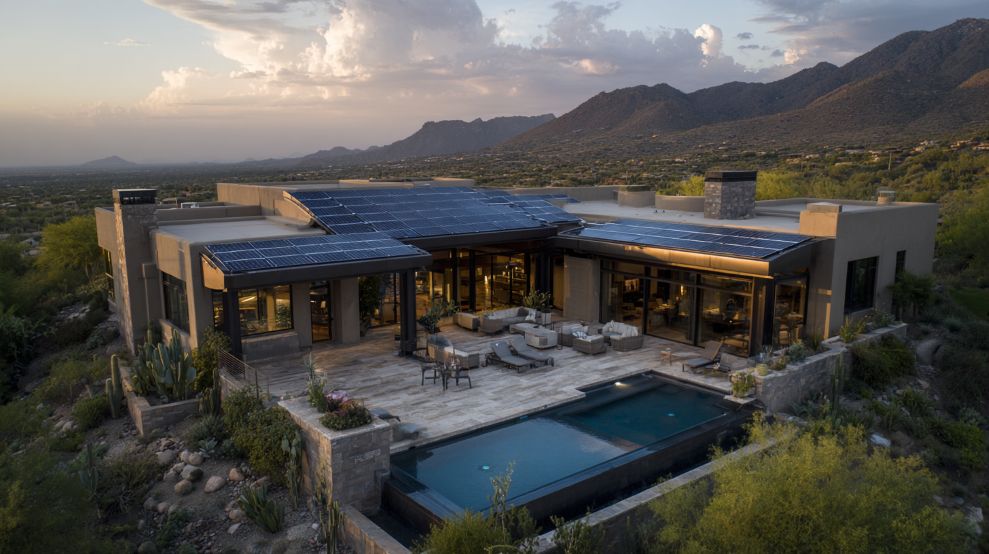
Most homeowners think of solar power as a rooftop project. Panels go up, an inverter goes in the garage, and that is the extent of it. But there is a second location on most California properties that gets just as much sun exposure and almost none of the attention: the backyard patio. A solar-integrated patio cover takes that unused overhead space and turns it into a working part of your home's energy system, while also giving you shade, shelter, and a real outdoor living room.
This is not a niche gadget or a passing trend. As homeowners run out of usable roof space, or simply want a second source of clean power, solar patio structures are becoming one of the more practical upgrades available. They solve two problems with one build: your backyard gets a permanent, weatherproof cover, and your utility bill gets a permanent, weatherproof solution.
What a Solar-Integrated Patio Cover Actually Is
A solar patio cover is a structure, usually aluminum or steel framed, built specifically to hold solar panels as its roof rather than adding panels on top of an existing cover. The panels themselves act as the roofing material, so you get shade and power generation from the same surface. Some designs use standard rigid solar panels laid flat or slightly tilted, while others use panel systems designed to shed rain and direct water into gutters built into the frame.
Unlike a rooftop array, a patio cover system sits low, is easy to access for cleaning or repairs, and does not require any modification to your actual house roof. That matters a lot for older homes, tile roofs, or roofs that are already at capacity with vents, chimneys, or skylights.
Why California Backyards Are Ideal for This
California gets more usable sun hours than almost any other state, and most backyards here are already oriented for outdoor living. Combining those two facts is what makes solar patio covers such a natural fit. A structure that was already planned for shade and entertaining can now also offset a meaningful chunk of your household energy use.
How These Systems Actually Generate Power
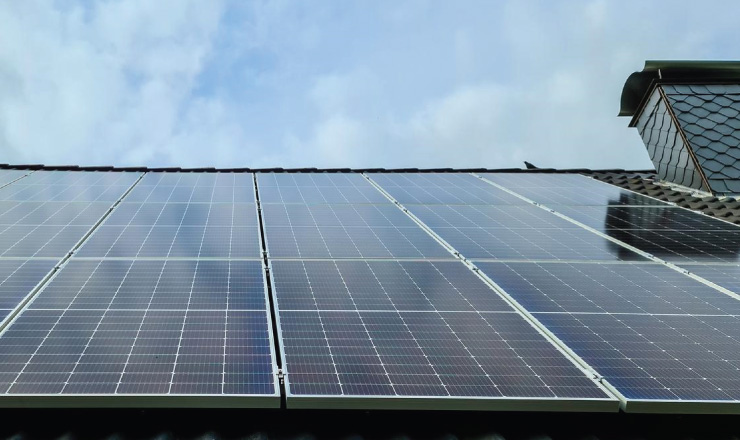
The panels on a solar patio cover work the same way rooftop panels do. Sunlight hits the photovoltaic cells, gets converted into direct current electricity, and then runs through an inverter that turns it into the alternating current your home actually uses. The difference is placement and integration. Because the patio structure is a standalone build, it can often be wired as a separate circuit or tied directly into your existing home solar setup if you already have rooftop panels.
Homeowners who already have a rooftop system sometimes add a patio array specifically to boost total output without touching the roof again. Others use the patio cover as their only solar investment, especially if roof orientation, shading from trees, or roof age make rooftop panels less practical.
What Affects Output
Several factors determine how much power a solar patio cover will actually produce over a year:
- Orientation: South facing patios generally produce the most consistent output through the day.
- Tilt angle: A slight pitch improves both energy capture and water runoff during rain.
- Panel brand and efficiency: Not all panels perform the same, and doing a bit of homework on the best solar panel brands before choosing a system can make a real difference in long term output and durability.
- Shade from nearby trees or structures: Even partial shading on part of the array can drag down total production more than most people expect.
- Local climate patterns: Coastal fog, inland heat, and mountain shade all change the math slightly depending on where in California you live.
Battery Storage and Backup Power
Many homeowners pair their solar patio cover with a battery storage system so the power generated during the day can be used at night or during an outage. This is especially popular in areas prone to planned power shutoffs, where a backyard system quietly becomes a backup generator that never needs fuel.
Designing a Patio Cover That Works Hard in Two Directions
A solar patio cover still has to function as a patio cover first. That means the design conversation should start with how you actually use your backyard, not just how many panels can fit on the frame. A structure built for quiet morning coffee looks different from one built for weekend parties, an outdoor kitchen, or a lounge area near the pool.
Structural and Style Options
- Attached versus freestanding: Attached covers extend off the house and tend to be less expensive, while freestanding structures give more flexibility for placement near a pool or fire pit area.
- Open lattice versus solid roof: Solar panels typically replace the need for lattice or slatted roofing entirely, giving full shade coverage instead of dappled light.
- Integrated lighting and fans: Since the structure already carries electrical wiring for the solar system, adding ceiling fans or lighting is a natural extension.
- Gutter and drainage details: Panels need a plan for rain runoff, so a properly built cover routes water away from seating and dining areas.
Matching the Cover to How You Live Outside
Families who spend a lot of time outdoors often build their solar cover around an existing or planned outdoor kitchen, since the added shade keeps cooking areas comfortable through the hottest part of the day. If your backyard vision includes a full outdoor cooking setup, it is worth looking at real examples of outdoor kitchen ideas built for real life and real meals before finalizing the patio layout, since the two projects influence each other more than people expect.
Households planning for long term living in place, including aging parents or multigenerational setups, often extend the same electrical and structural planning into other backyard upgrades. Many of the same accessibility and comfort principles used in senior-friendly upgrades for California living apply directly to a shaded, well-lit, power generating patio space.
Material and Climate Considerations
Coastal homes need corrosion resistant hardware. Inland and desert properties need frames rated for heat expansion. Fire prone areas often require specific roofing and structural materials to meet defensible space codes. A good contractor will walk through all of this before a single panel is ordered.
What It Costs and What You Get Back
Solar patio covers cost more upfront than a standard patio structure, since you are paying for both the build and the solar equipment. Pricing varies widely depending on size, panel count, battery storage, and whether the system ties into an existing home array, and homeowners looking to expand an older setup should be aware of the compatibility issues covered in Old Panels, New Solar: Arizona's Hidden Upgrade Problem. Most homeowners find the investment pays itself down over time through reduced utility bills, and in many California utility territories, excess power generated during the day can be credited back through net metering programs.
Beyond the direct energy savings, a solar patio cover tends to increase resale value more than a standard shade structure would, since buyers increasingly view integrated solar as a meaningful upgrade rather than a luxury add on, a trend backed up by numbers like the ones in Solar Panels & Arizona Resale Value: The Real Numbers.
Maintenance Realities
Because the panels double as your patio roof, they need to be kept reasonably clean to perform well and to actually shed rain properly. Dust, pollen, and bird activity are the most common issues in California backyards.
- Rinse panels every few months, more often near agricultural areas or during pollen season.
- Check gutters and drainage channels before winter rains arrive.
- Inspect mounting hardware annually for corrosion or loosening, especially in coastal climates.
- Address bird nesting early, since droppings and debris under panels can affect performance and cause staining. Anyone who has dealt with roof mounted arrays already knows this, and the same logic used for skirts, mesh, and maintenance that actually work against pigeons applies just as well to a patio mounted array.
Permits and Working With a Contractor
Most California municipalities require permits for both the structural build and the electrical work involved in a solar patio cover. Working with a contractor who handles patio construction and solar integration together, rather than hiring two separate crews, tends to produce a cleaner result and avoids the finger pointing that can happen when a shade structure and a solar system are treated as two unrelated projects.
Turning Idle Sunlight Into Something Worth Sitting Under
A backyard patio has always been valuable real estate for relaxing, cooking, and entertaining, but for most of the year it was doing nothing more than sitting in the sun. A solar-integrated patio cover changes that equation entirely. It gives you the shade and comfort you already wanted, while quietly converting the same sunlight that used to just heat up your patio furniture into electricity that runs your home.
For California homeowners weighing where to invest next, a solar patio cover offers something rare: a project that pays for itself in comfort on day one and continues paying for itself in savings for decades after. It is not just an outdoor upgrade or an energy upgrade. It is both, built into a single structure that finally puts your backyard's sun exposure to real use.
