Built to Last: Protecting Your Outdoor Investment Before the Damage Is Done
A two-part guide to guarding materials, tools, and finished features on an outdoor build, from delivery day through the darkest weeks of the year.
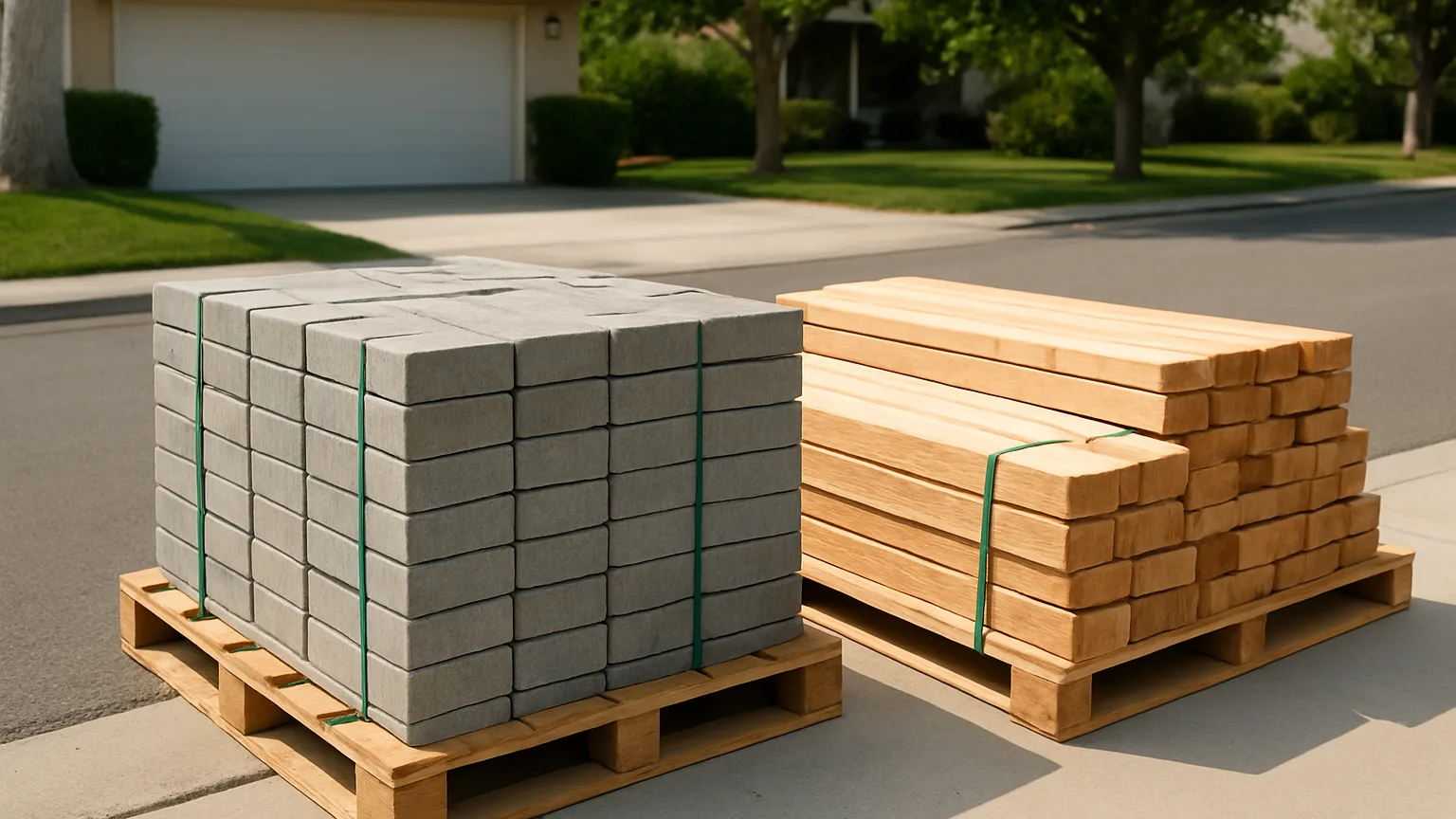
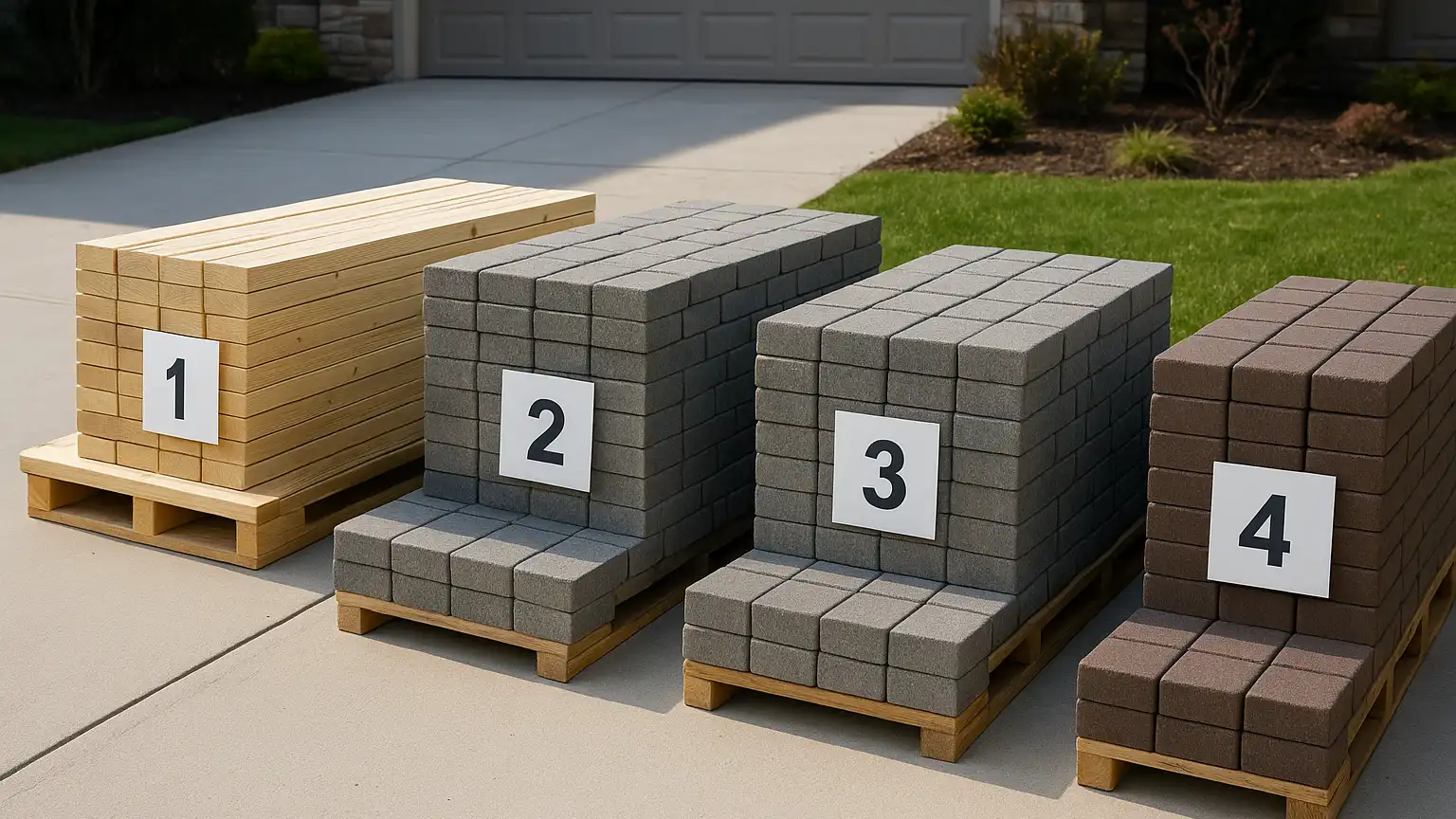
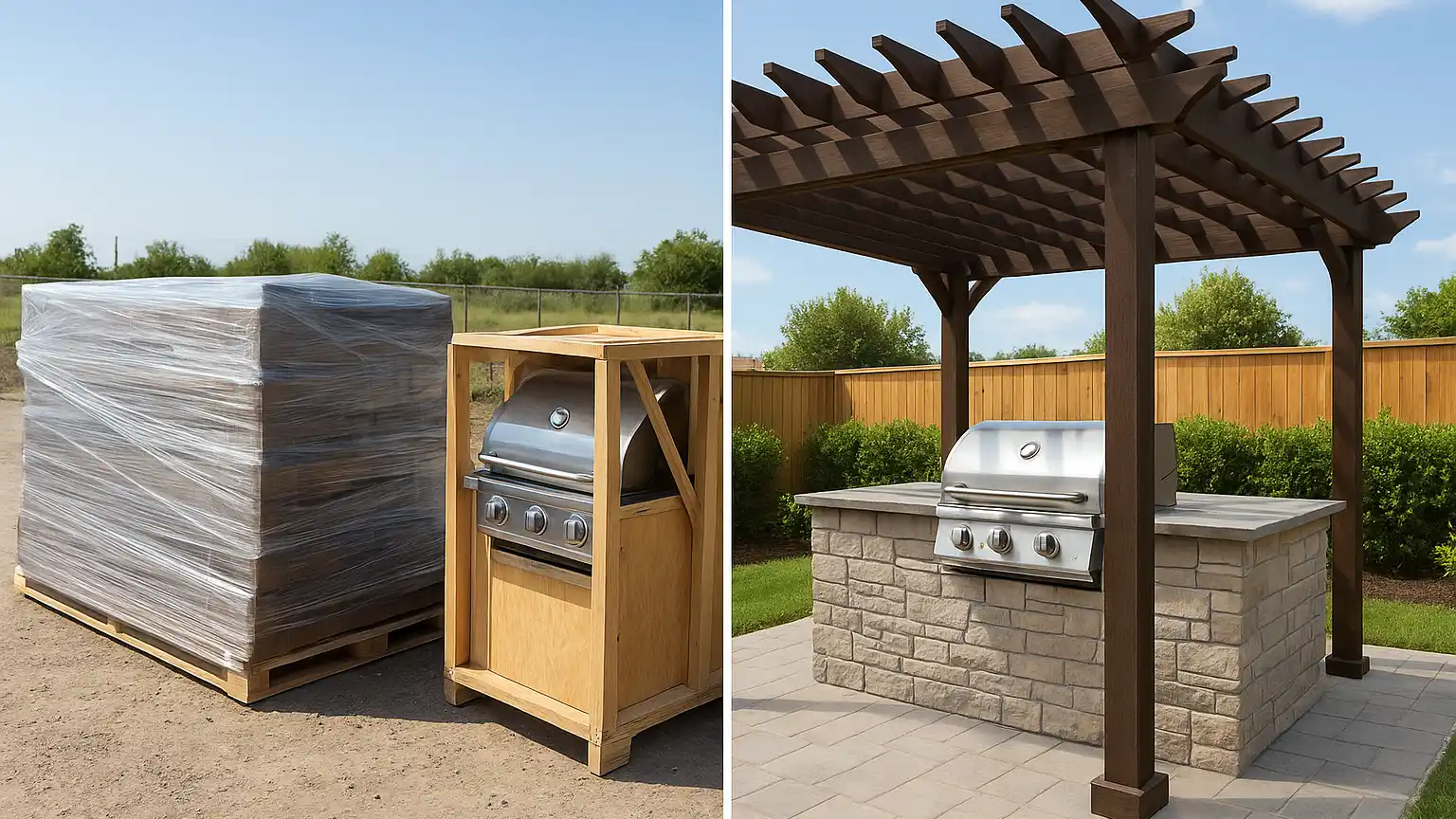
A backyard project is one of the few home investments that sits outside, in the open, for weeks at a time. Pallets of pavers, stacked lumber, a crated grill head, a pergola kit still in its shrink wrap: all of it has resale value, and none of it is behind a locked door. This two-part series is about closing that window before someone else finds it.
It is written for homeowners in the middle of an outdoor living build, homeowners about to start one, and anyone who just finished a patio, kitchen, or fire feature and has not yet thought about how easy it would be to carry parts of it away. The parts below take you from the first delivery through the darkest, quietest weeks of the year, when jobsites sit idle and neighborhoods empty out for the holidays.
We leaned on perimeter security input from American Fence Company, a Los Angeles fencing contractor that works construction sites across Southern California, to shape the practical side of this series. Their day-to-day experience with temporary enclosures and site access helped sharpen the advice on what a thief sees when they look at a half-built backyard.
Read the Series
Part 1: Tonight's Delivery Could Vanish: Lock Down Your Patio Build Now Covers how to secure lumber, pavers, stone, appliances, and tools during an active outdoor build — staging deliveries just in time, on-site storage and anchoring, lighting and camera placement, documenting serial numbers, and coordinating with your contractor so nothing sits exposed through a weekend or a rain delay.
Part 2: Shorter Days, Bolder Thieves: Secure Your Outdoor Build Before Winter A complete walkthrough of how to secure an in-progress or finished outdoor living project — from staging and storing materials, anchoring high-value features like pergolas, fire tables, heaters, and lighting, to layering lighting, cameras, fencing, and documentation before shorter days and holiday-season absences give thieves the cover they need.
The first stretch of the series deals with the riskiest stage of any build: the days when material arrives faster than it gets installed. A stone order dropped on a Friday afternoon can sit untouched until Monday. That is 72 hours of free shopping time, in plain sight, with no one on site.
Part one walks through how to shrink that exposure instead of accepting it. The core idea is simple. Material should arrive close to the day it gets used, and anything that cannot be installed right away needs a home that is locked, anchored, or out of view.
What This Part Sorts Out
Just-in-time staging so pallets and appliance crates are not parked in the driveway for a week
On-site storage and anchoring for tools, saws, and boxed equipment between work days
Lighting and camera placement aimed at the material pile and the access path, not just the front door
Serial number records and photos taken before install, so a claim or a police report has teeth
Contractor coordination around weekends, rain delays, and inspection holds
That last item matters more than most people expect. Most losses happen during a pause in the schedule, not during active work. Knowing who is responsible for material overnight, and putting it in writing, prevents the finger-pointing that follows a theft.
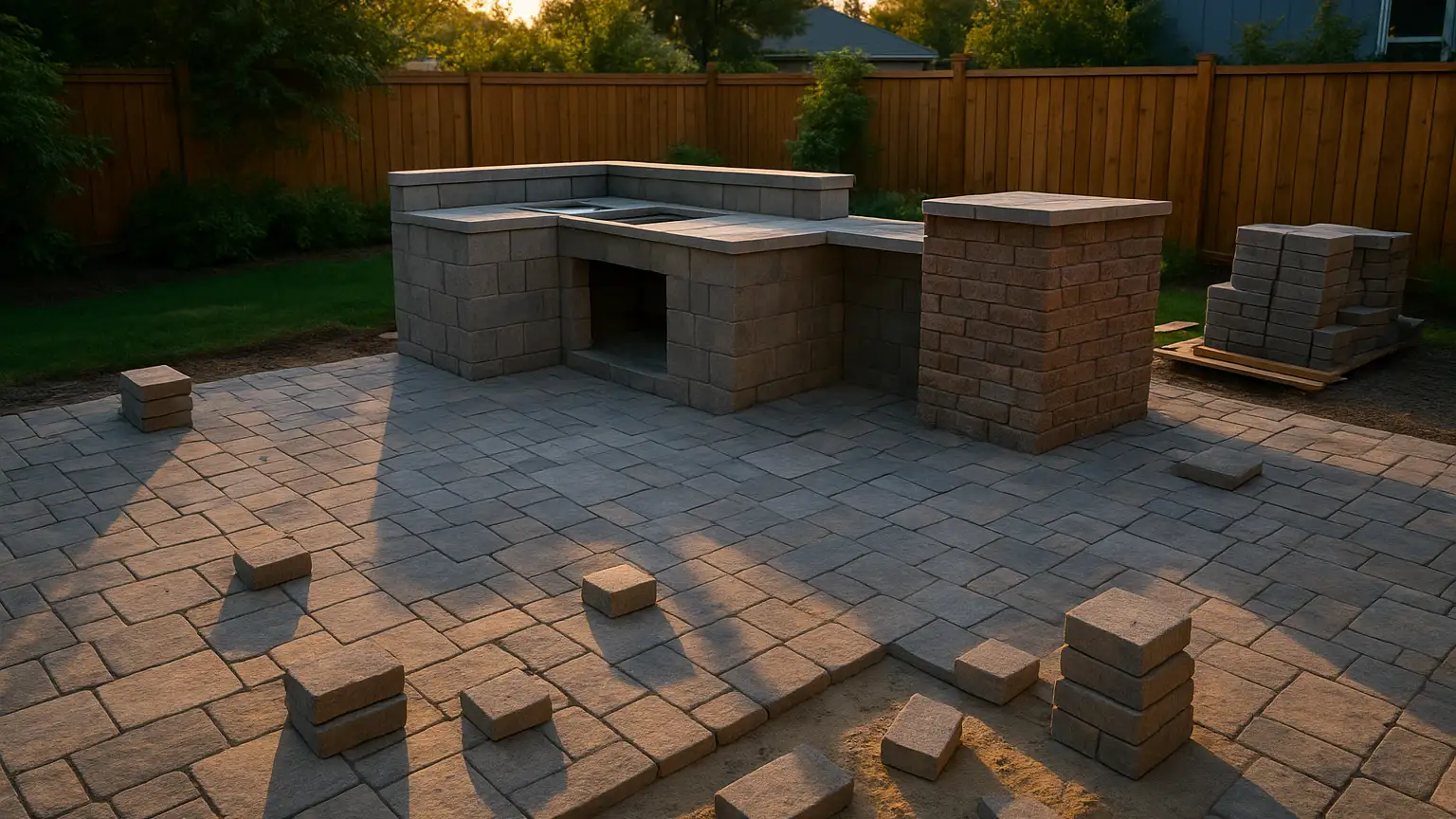
The second part widens the lens. It covers an entire project, in progress or finished, and treats security as layers rather than a single lock. Once your build is standing, the target changes. Nobody is hauling off your concrete, but a fire table, a patio heater, a wall-mounted TV, or a run of low-voltage fixtures can leave in one trip.
This part goes through anchoring in real detail, because the difference between a bolted pergola post and a set-and-forget one is the difference between a break-in and a loss. It also covers the perimeter, where a temporary construction enclosure from a contractor like American Fence can turn an open yard into a slow, noisy, visible obstacle that most opportunists skip.
The Layers It Builds
Motion lighting that actually reaches the side yard. Cameras positioned to catch faces and plates instead of the top of a hood. Gates that latch and lock. A record of what you own, stored somewhere other than the garage. Each layer alone is easy to beat. Stacked together, they push a thief toward an easier house.
Timing gets its own attention here. Shorter days mean cover arrives by late afternoon, and holiday travel leaves whole blocks quiet for a week at a stretch. Part two lays out what to do before that season starts, not after something disappears.
Read straight through if your project is still on paper or the first delivery is scheduled. Part one hands you the delivery-day playbook, and part two picks up where the material stops moving and the features get installed. Together they cover a build from the first pallet to the first cold, dark evening after it is done.
If you are already mid-project, or the patio is finished and you simply want the fire table and the lighting to still be there in January, go straight to part two. Nothing in either part requires the other. They were written so you can start where your backyard actually is.
Contact Information
Decoral is one of the most popular Travel agency for those who want to explore the wold and try to make adventure provide the best design
Call us: (949) 485-3367
Address: 5405 Alton Pkwy, Irvine, CA 92604 Working hours: Mon - Sat 08:00 to 18:00