A three-part series on summer window treatments: how heat sneaks in, the buying mistake that costs thousands, and why install details decide performance.
The Summer Shade Files is a three-part series about the thing most California homeowners only think about once the thermometer climbs past 95: window treatments. Not the decorating side of them. The performance side. Why one room bakes while the room next door stays livable, why two households can buy the same product and get wildly different results, and why the money spent on summer shade so often lands in the wrong place.
This series was built for people who already tried something. You closed the curtains. You bought a fan. You turned the thermostat down two more degrees and watched the bill climb anyway. The parts below work through the reasons those fixes stall out, and what actually changes the temperature in a room.
Shading input for the series came from Rapid Blinds, a window covering specialist whose field experience helped shape how we framed the heat questions here. Their perspective on what installers see in real homes pushed the series away from product talk and toward the details that decide whether a shade works.
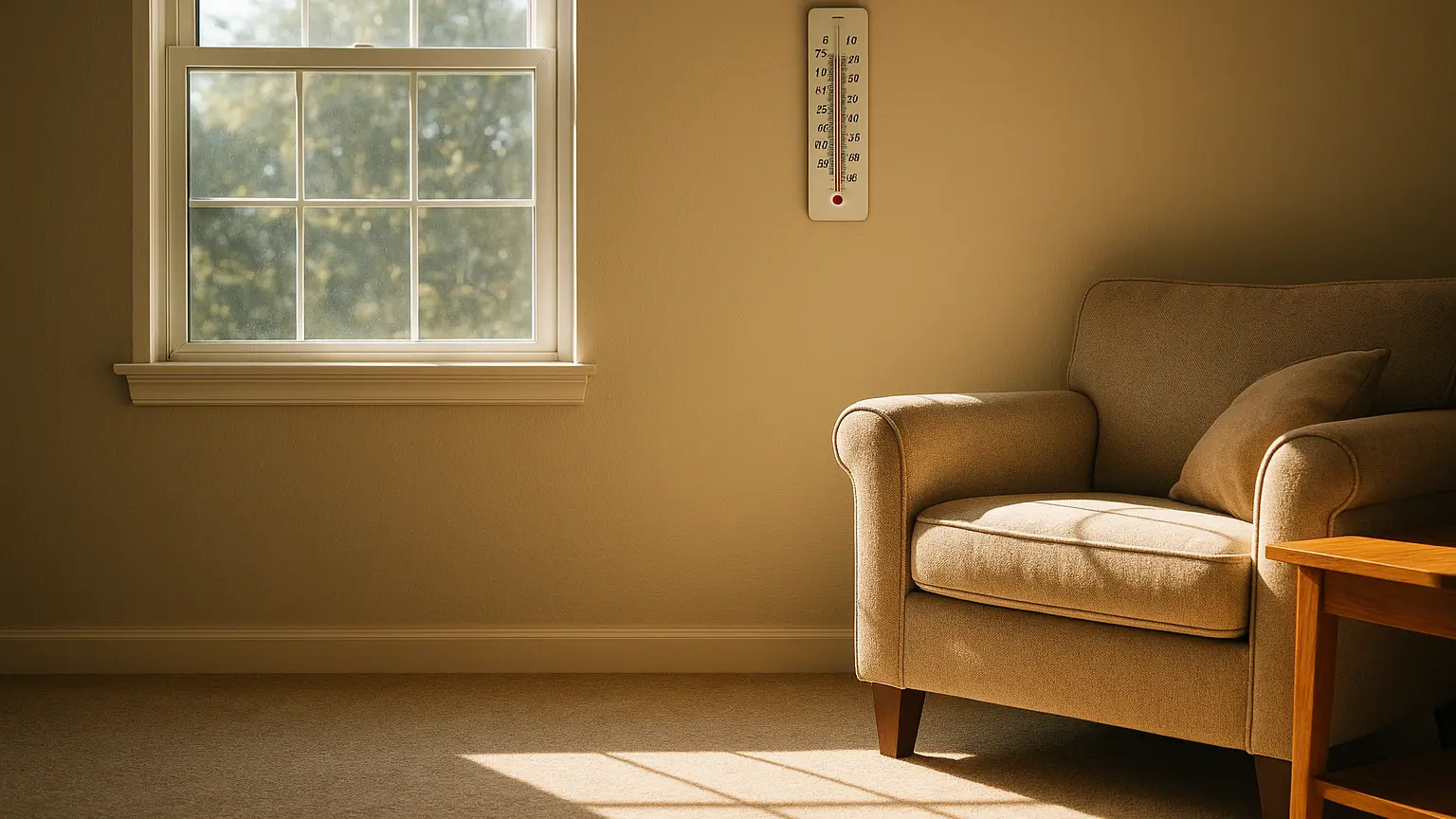
The series opens with the room everyone complains about. There is usually one in every home: the west-facing bedroom, the office over the garage, the den with the sliding door. It hits 84 degrees by four in the afternoon and stays there until well after sunset.
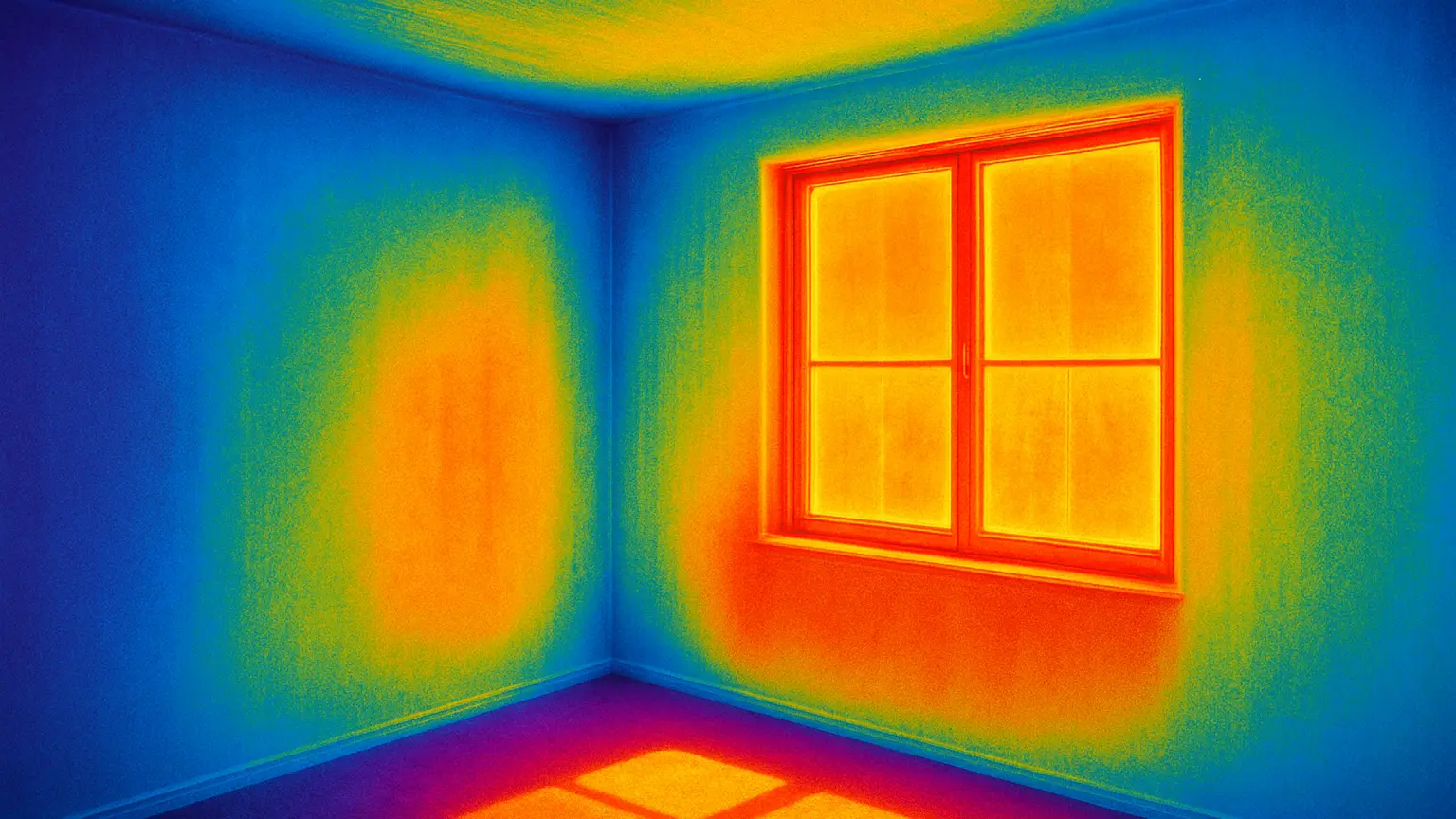
Part one traces that heat backward. Sunlight through glass is only the first step. After that, heat moves through drywall, across attic space, off dark flooring, and down hallways in ways that separate the room that feels hottest from the room that is actually letting heat in. That gap is why so many homeowners fix the wrong window.
What the First Stretch Covers
How direct sun, radiant transfer, and trapped air each behave differently indoors
Why glass orientation matters more than window size in most California builds
How a single untreated opening can push warm air into three connected rooms
Simple ways to spot the real entry point before spending anything
By the end of part one, the hot room stops being a mystery and starts being a symptom. That reframe matters, because everything that follows depends on aiming at the right opening.
The Buying Decision Most People Reverse
Part two moves from diagnosis to shopping, and it lands on one decision homeowners get backwards again and again. The short version: heat blocked outside the glass and heat blocked inside the glass are two different jobs, and most people pick the option that handles the job they do not actually have.
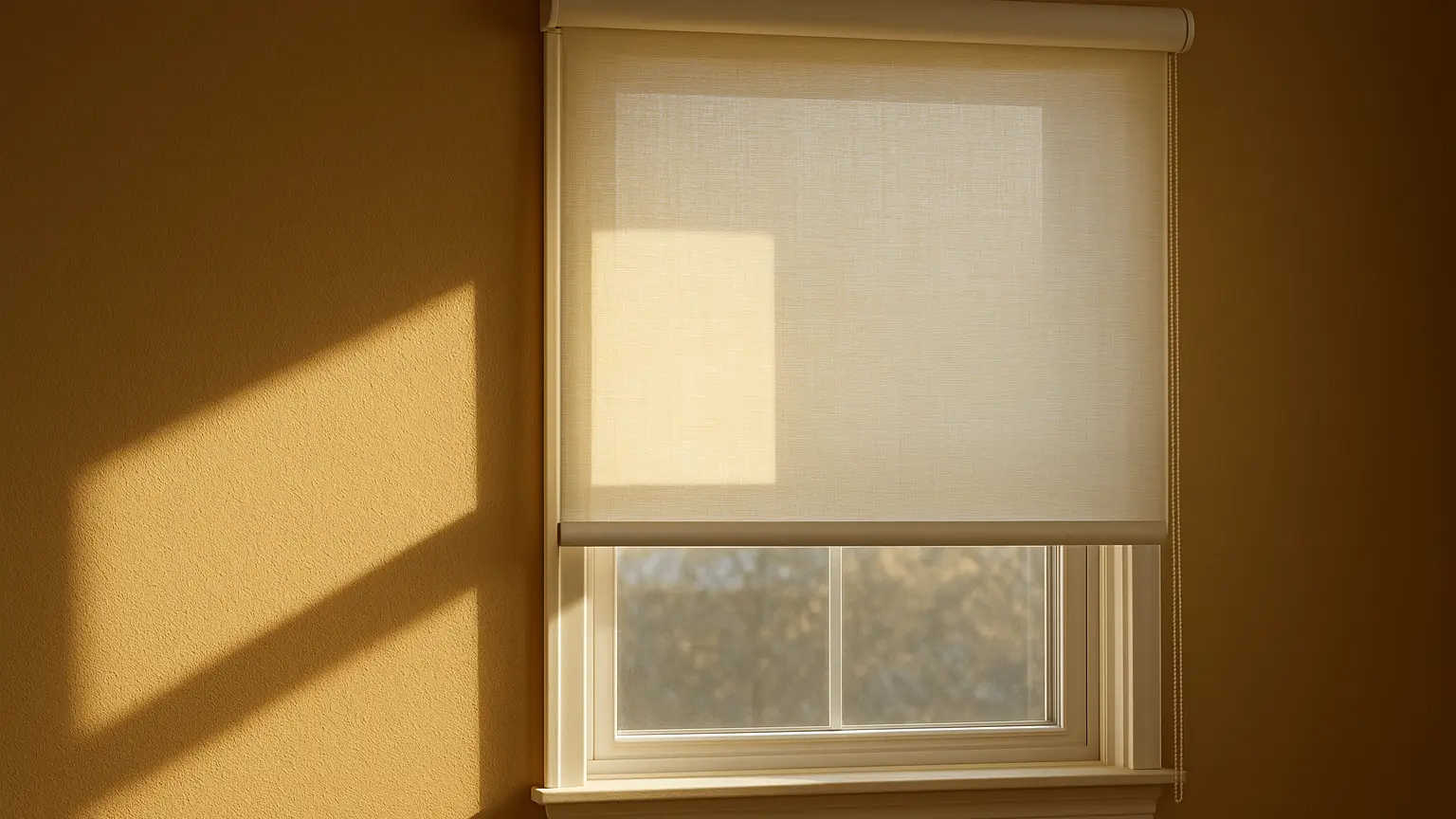
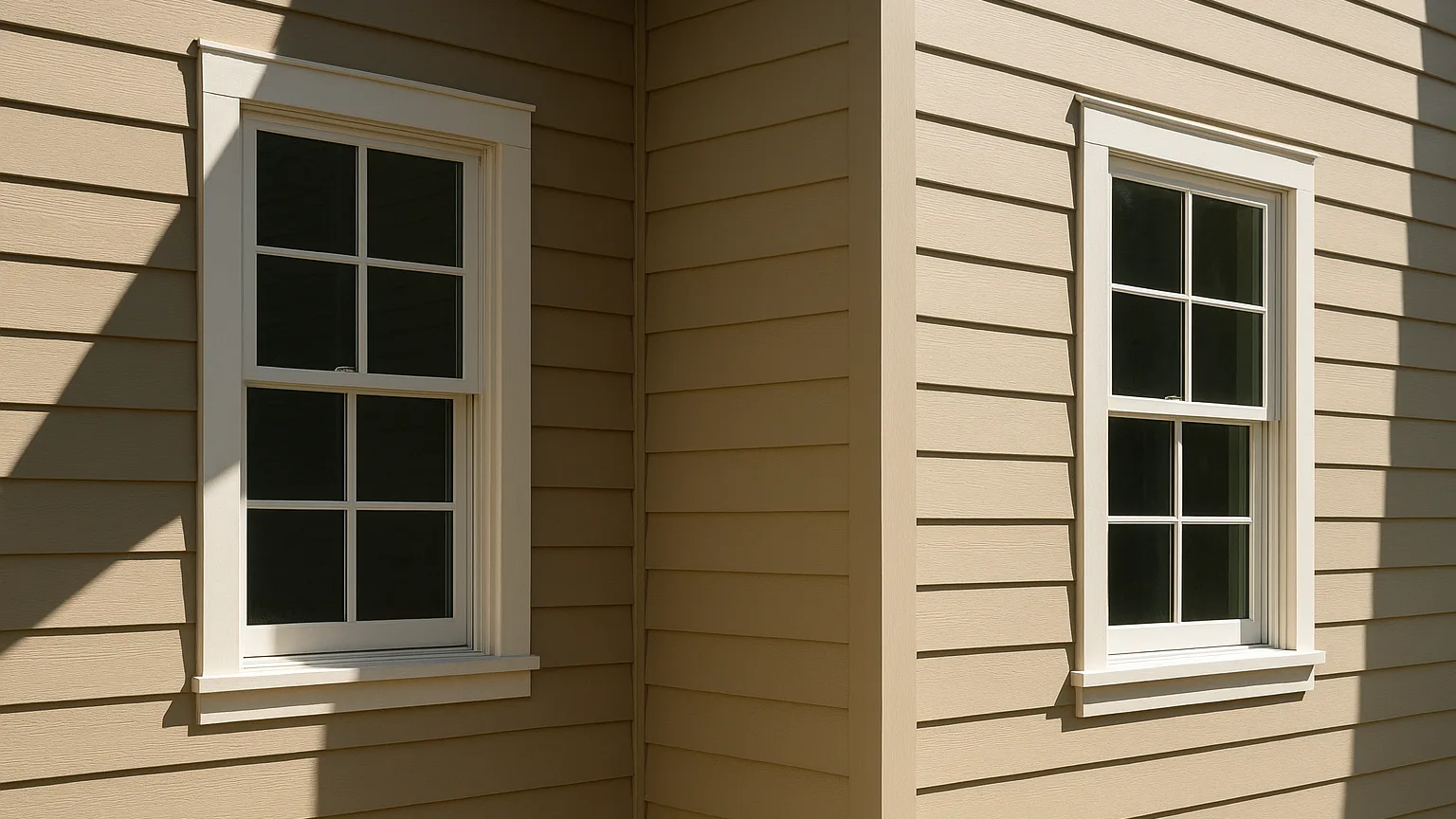
Once sunlight passes through a pane, the energy is already in the room. An interior shade can slow how fast that heat spreads, and a good one does real work. But it is working downstream of the problem. Something mounted to intercept sun before it reaches the glass is working upstream. The series lays out when each approach makes sense, because the answer changes by room, by exposure, and by how the space gets used during the day.
Where the Money Actually Goes
This is the part of the series about cost, and not in the way most buyers expect. The expensive mistake is rarely the price tag on the product. It is buying a premium treatment for a window that needed a modest one, while the window doing the real damage stays bare for another summer. Part two breaks down how to rank openings by impact so the budget goes where the heat is, and why the correction usually costs far less than living with the original choice.
Installation Details That Decide Performance
The final part answers a question that sounds impossible until you see it happen: how can two identical shades on the same house perform nothing alike? The product is the same. The house is the same. The results are not.
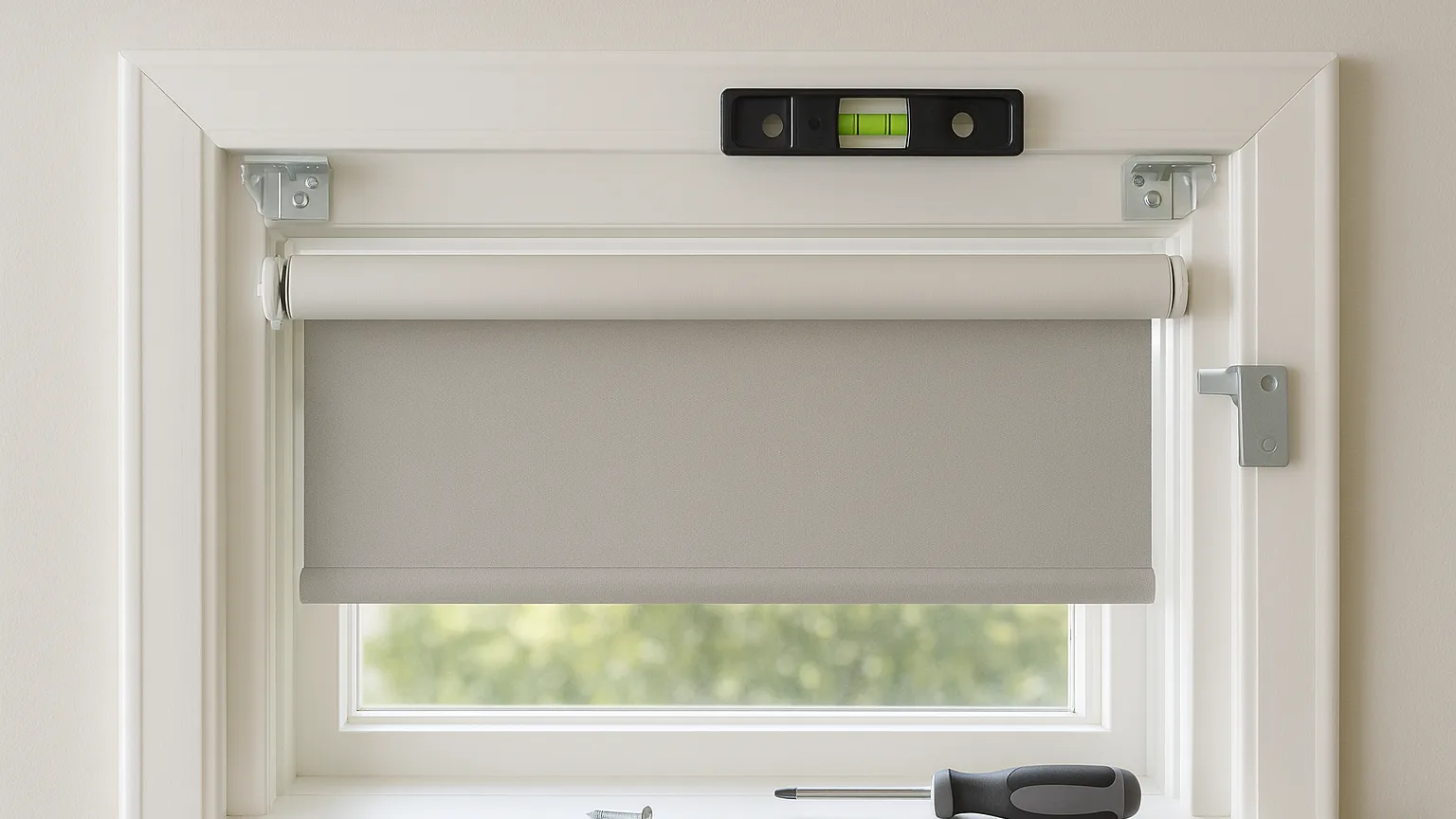
The answer sits in the gaps. Mounting depth, side clearance, how tightly the treatment seals at the top, whether it sits inside the frame or outside it. Warm air finds every inch of open edge and pours around the shade into the room. Part three also covers timing, both the daily kind and the seasonal kind. A shade lowered at two in the afternoon is doing cleanup work. The same shade lowered at ten in the morning is doing prevention. And an installation finished before the first heat stretch of the year behaves differently than one rushed in mid-August, when the house is already holding warmth in its walls.
Reading the Series in Any Order
Start at part one if you want the full arc, since each part builds on the one before it. If you already know which window is the problem, jump to the second part for the buying decision. If your shades are up and underperforming, the third part is where your answer lives.
<<>>
Contact Information
Decoral is one of the most popular Travel agency for those who want to explore the wold and try to make adventure provide the best design
Call us: (949) 485-3367
Address: 5405 Alton Pkwy, Irvine, CA 92604 Working hours: Mon - Sat 08:00 to 18:00