Part 2 of 3 in the series The Summer Shade Files: The Complete Series.
In the first part of this series, we followed heat on its route through a California house and found that the hottest room is usually the victim, not the culprit. Once you know where the heat is entering, the next question is obvious: what do you put in its way? That is where most people spend real money and get a disappointing return.
This series was developed with insights from Rapid Blinds, whose work with homeowners across hot, sun-heavy regions shaped a lot of the thinking here. One pattern comes up again and again: people shop for the look of a window covering first and the position of it last. That order is backwards, and it quietly costs thousands over the life of a home.
The Glass Has Already Won by the Time You Close the Blind
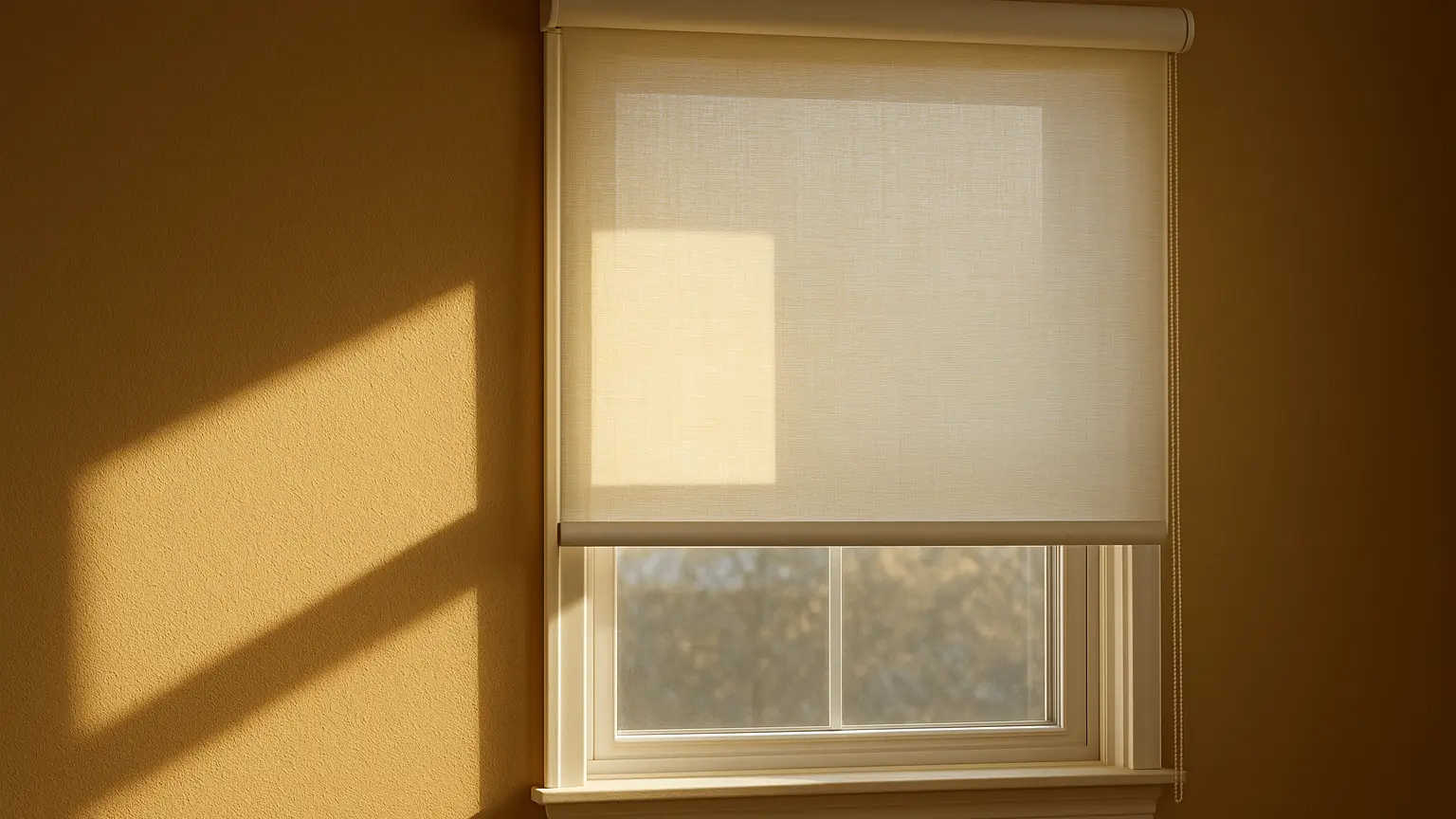
Sunlight is energy. When it passes through a window, most of it turns into heat the moment it hits something solid. If the first solid thing it hits is a blind hanging on the inside of the room, that heat is now in your house. The blind blocks your view of the sun. It does not block the sun's energy from getting past the glass.
An interior shade absorbs that energy, warms up, and radiates it back into the room like a small panel heater. Touch the back of a light-colored roller shade on a south-facing window at 3 p.m. It is warm, sometimes hot. That warmth is not trapped; it is being released, slowly, into the space you are trying to cool.
Stop the same sunlight three inches earlier, on the outside of the glass, and the heat builds up in open air, gets carried off by whatever breeze exists, and never becomes your air conditioner's problem. Same fabric, same color, wildly different result. That is the inside-out mistake in one sentence: the side of the glass matters more than the product itself.
What the Numbers Look Like in a Real House
Rough field ranges, not lab claims. A quality interior blind or cellular shade knocks out somewhere in the neighborhood of a quarter to a third of the solar heat coming through a window. A properly fitted exterior shade screen or awning on that same window commonly stops the large majority of it before the glass is involved at all.
Apply that to a real wall. Say you have four west-facing windows in a living room that turns into an oven from 4 p.m. onward. Interior shades on all four might buy you two degrees and slightly less glare. Exterior shading on the same four windows can drop that room enough that the AC actually cycles off. Homeowners describe it as the room finally behaving like the rest of the house.
- Interior treatments manage light, privacy, and glare very well.
- Exterior treatments manage heat, which is a different job entirely.
- Buying the first to solve the second is where the money disappears.
None of this makes interior blinds a bad purchase. They are the right tool for a bedroom that needs darkness or a street-facing window that needs privacy. They are simply the wrong tool for a heat problem, and the two problems get confused constantly because they show up on the same window.
Four Summers, Four Purchases, One Hot Room
The expensive part is not one wrong purchase. It is the cycle. Summer one, the room is hot, so you buy blinds. Summer two, the room is still hot, so you upgrade to blackout cellular shades because someone said they insulate. Summer three, you add drapes over the top. Summer four, you start pricing new windows. By then you have spent more than a full exterior shading package would have cost, and the room still gets warm at four o'clock.
Each step feels reasonable on its own. Nobody makes an obviously foolish decision. The flaw is the starting assumption, which is that heat gets solved on the inside of the glass. There is a solid breakdown of how those competing spends stack up in a comparison of shade structures vs window upgrades win, and the math tends to surprise people who assumed replacement glass was the only serious answer.
The Three Questions That Prevent the Whole Cycle
Before you buy anything for a hot room, answer these in order. It takes about five minutes.
- Which direction does the window face? West and southwest windows are heat problems. North windows almost never are. East windows are a morning issue, not an afternoon one.
- Is the discomfort glare or heat? If you squint, that is glare, and interior products fix it. If you sweat, that is heat, and interior products will not.
- Is anything already shading that glass? A deep eave, a mature tree, a neighboring wall. If the glass sits in shadow during peak hours, the window is not your problem.
That third question ties directly back to what one room that never cools uncovered about rooms that get blamed for heat that started somewhere else entirely. A west window in full shade is not the villain. An unshaded skylight two rooms over might be.
Mounting Outdoors Is Simpler Than People Expect
People assume anything mounted outdoors is a construction project. Often it is not. Exterior solar screens mount into the existing window frame and go in faster than a set of custom interior shutters. Retractable exterior shades attach above the opening and roll away when you want the view back. Fixed awnings over a patio door do double duty by shading the glass and making the space underneath usable, which is worth planning around early if you are also building a patio along that wall.
Price-wise, the comparison usually runs in favor of the exterior option once you count the failed attempts. Two rounds of custom interior blinds for a large living room can easily run past the cost of screening those same windows from outside, and the exterior version keeps paying you back every month on the utility bill.
Match the Product to the Opening
Not every window wants the same solution. A few pairings that hold up well in practice:
- West-facing living room glass: exterior solar screen fabric, roughly 80 to 90 percent openness blocked, keeps the view usable while killing the heat.
- Sliding patio doors: a retractable exterior shade or a fixed awning, since you want the shade gone in cooler months.
- Upstairs bedrooms: exterior screen plus a simple interior blackout blind, because you need both heat control and darkness.
- North-facing windows: skip the heat product entirely and spend that budget on a window that needs it.
That last one matters more than it sounds. Shading every window on a house equally is a common and costly instinct. Guidance from Rapid Blinds consistently points the other way: shade the two or three openings doing the real damage and leave the rest alone. Concentrated spending beats spread-out spending on almost every home.
Exterior shade also plays well with the rest of the yard. If you are already thinking about energy efficient outdoor spaces, a shade structure over the hottest wall usually improves both the room inside and the patio outside. One purchase, two comfortable spaces.
What to Ask Before You Sign Anything
Window treatment shopping is heavily weighted toward interior products. That is where the showroom samples are, where the color options live, and where the impulse to redecorate takes over. Walk in saying "my living room is hot" and you will very often walk out with a fabric swatch book.
A few things worth asking any installer, whichever direction they lean:
- What percentage of solar heat does this stop before it reaches the glass? If the honest answer is zero, you are looking at a glare product.
- Which windows in this house actually need treatment? A good answer names specific openings. A weak answer quotes the whole house.
- What does this do in winter? Fixed shading blocks low winter sun you may want. Retractable options do not.
- How is it mounted, and does it clear the trim? Fit problems are the most common reason exterior products underperform.
That last question is the difference between a shade that earns its keep and one that just hangs there. Two houses on the same block, same product, same exposure, can post completely different results based on mounting depth, gap size, and when the shade is actually deployed during the day. That is the ground two identical shades covers next, and it is where a lot of otherwise smart purchases quietly underdeliver.
Summer is also the easiest window for this kind of work. Scheduling tends to be flexible before the peak rush, and it pairs naturally with the sort of seasonal projects covered in turn summer break into a productive stretch around the house.
The Cheapest Fix Is Usually Three Inches Away
The whole thing comes down to a decision most people never consciously make. When you shop for summer shade, you are not really choosing a fabric or a color or a brand. You are choosing which side of the glass the sunlight stops on. Choose the inside, and you have bought a very attractive way to manage glare while the heat carries on doing exactly what it was doing. Choose the outside, and the same energy never becomes indoor air your system has to fight.
Look at the west and southwest windows first, ignore the ones already sitting in shadow, and put your budget on the two or three openings causing the actual problem. The fix is rarely more expensive than the mistake. It is usually cheaper, faster, and far more permanent than the third round of blinds you were about to order for a room that has been telling you the same thing every August.