
Turning California Patios Into All-Day Shade Sanctuaries
How motorized blackout shades let sun-drenched outdoor rooms shift from bright mornings to cool, private evenings without lifting a finger.
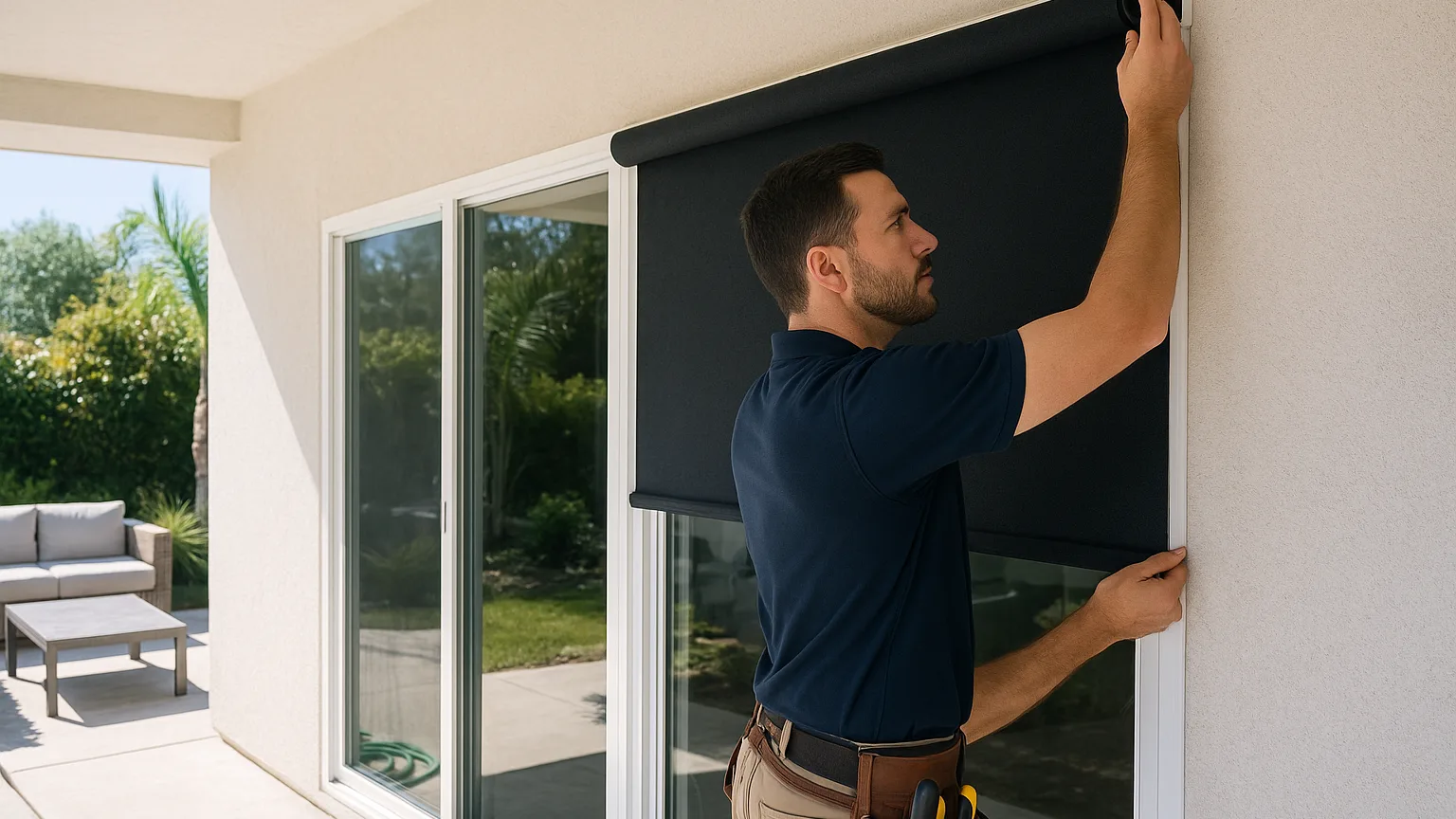
California patios do double duty as living rooms, dining rooms and quiet evening retreats, often for ten or eleven months out of the year. That kind of daily use demands more than a light fabric shade fluttering in the breeze. It calls for real blackout performance, glare control that rivals a movie theater, and the ability to adjust everything with a tap instead of a tug on a pull cord.
Motorized blackout shades solve a problem that homeowners rarely mention outright: the California sun does not politely fade in and out. It blasts through in the morning, swings low and blinding in the evening, and turns a beautiful patio into an unusable hot box by early afternoon. Pairing the right shade with the right patio layout changes that entire equation, and it does so quietly, in the background, without anyone having to think about it twice.
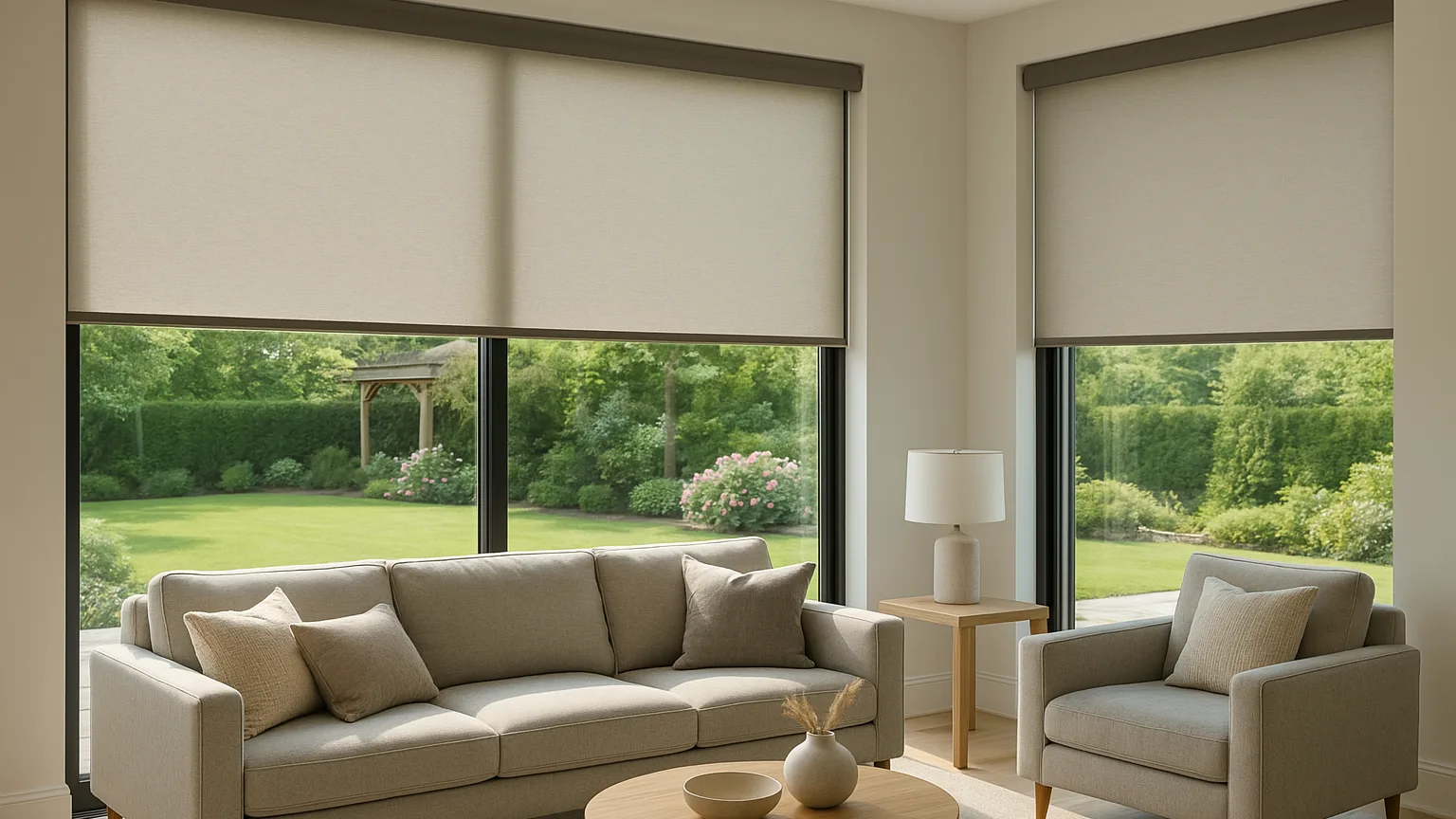
Standard sun shades knock down brightness, but they still let plenty of light bleed through the weave. On a west facing patio in Sacramento or a hillside deck in Malibu, that half measure is not enough during peak summer hours. True blackout fabric blocks light almost completely, which matters for anyone using a patio for a home theater night, an afternoon nap, or simply keeping furniture and rugs from fading under constant UV exposure.
"People assume blackout shades are just for bedrooms, but outdoor rooms get hit with far more direct sun exposure than most interiors ever do," says Melissa Grant, lead product specialist at Blinds Chalet. "The right blackout fabric on a patio does the same job it does indoors, it just has to survive wind, humidity and temperature swings too."
That durability requirement is exactly why material choice matters as much as color or opacity when shopping for an outdoor blackout system built to last through California weather.
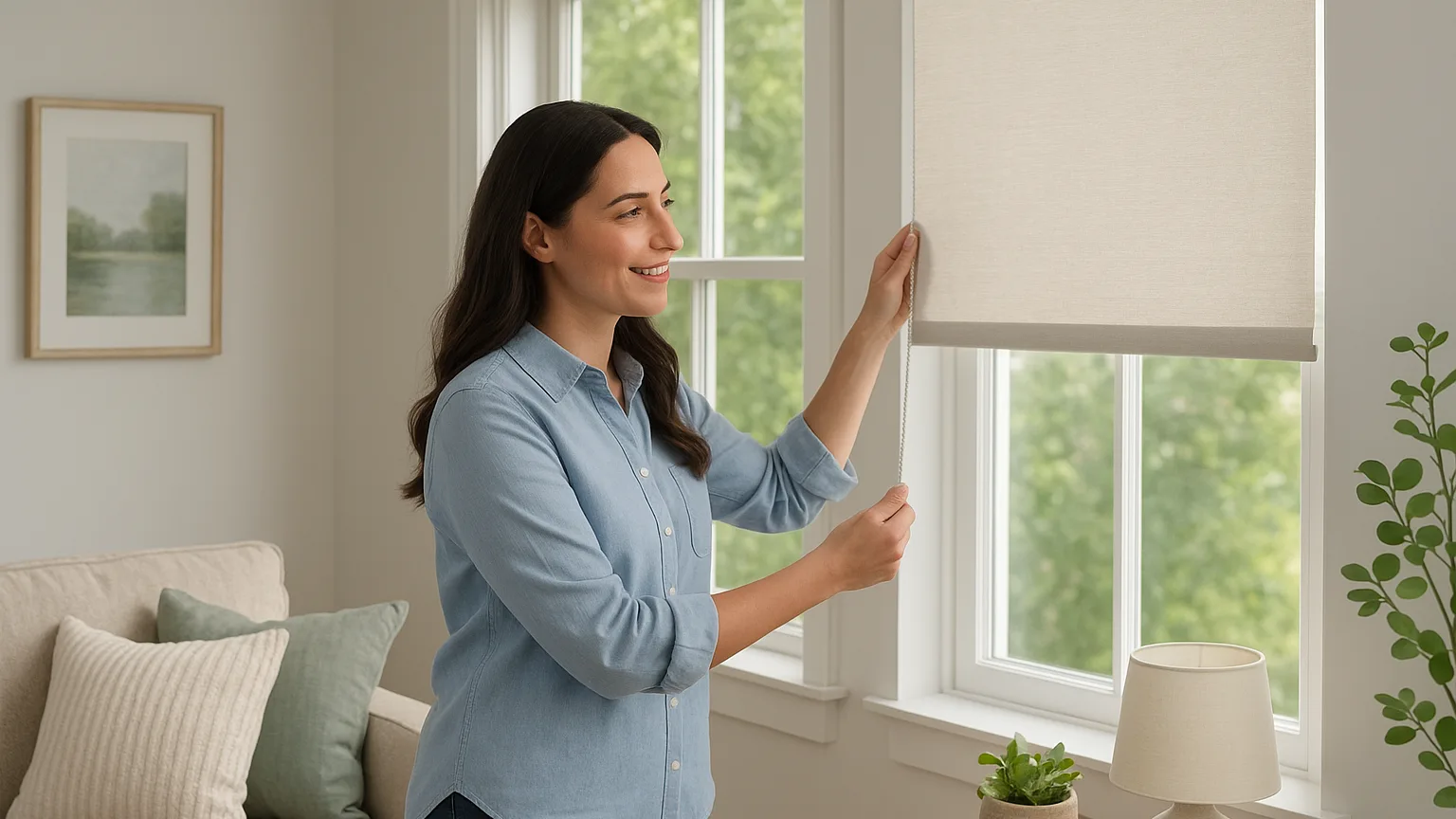
Every patio has its own sun pattern, so the smartest shade setup starts with paying close attention to how light actually moves across the space throughout the day. A covered lounge area near a pool might only need partial coverage at sunset, while an open dining patio facing west needs full blackout capability by mid-afternoon to stay usable at all.
Homeowners working with connected outdoor structures, like the ones discussed in the pool house and backyard design approach, often find that motorized shades let them extend that same seamless indoor-outdoor feeling to the patio itself, closing off harsh light without closing off the view entirely.
- South and west facing patios generally need the heaviest blackout fabric and the widest coverage area
- Covered structures with retractable awnings benefit from shades that handle the remaining side glare
- Pool adjacent patios need moisture resistant hardware and corrosion proof motors built for humidity
Motorization earns its keep once the seasons start changing. A patio that needs full blackout at four in the afternoon in July might only need a light tint by October, and manually adjusting shades that often gets skipped entirely, which means the space simply goes unused. Automated schedules and sun sensors remove that friction, so the shade responds to the actual weather instead of waiting on someone to remember.
Many of the same principles that guide choosing the right patio blinds for sun and style apply here too, since blackout shades still need to match the home's exterior finishes and the mood of the space, not just block out light.
Seasonal settings worth programming
- Full blackout during midday summer heat
- Partial coverage for spring and fall afternoons
- Open retract on winter mornings to let warmth in
Shade That Works as Hard as the California Sun
A patio only becomes a true extension of the home once it can be used comfortably no matter what the sky is doing. Motorized blackout shades take the guesswork out of that equation, quietly adjusting to harsh afternoon glare, cooler evening light, or a random winter storm rolling in off the coast. What used to require constant manual tweaking now happens on its own, which is exactly why more California homeowners are treating patio shading as a real design decision rather than an afterthought, the kind of thoughtful touch discussed in The Hidden Upgrade Arizona Buyers Notice First.
From matching fabric weight to sun exposure, to programming seasonal schedules that shift with the calendar, the goal is always the same: a patio that feels just as livable in August as it does in February. The same durability concerns that shape material choices outdoors also come up indoors, as explored in Blackout Shades That Survive Arizona Bathroom Steam. Get the shade system right, and the rest of the outdoor space, the furniture, the lighting, the landscaping, finally gets to be enjoyed the way it was designed to be.