
Stop Embers at the Glass Before the Smoke Rolls In
Follow one ember from your patio to your living room and see exactly where the right window stops it cold.
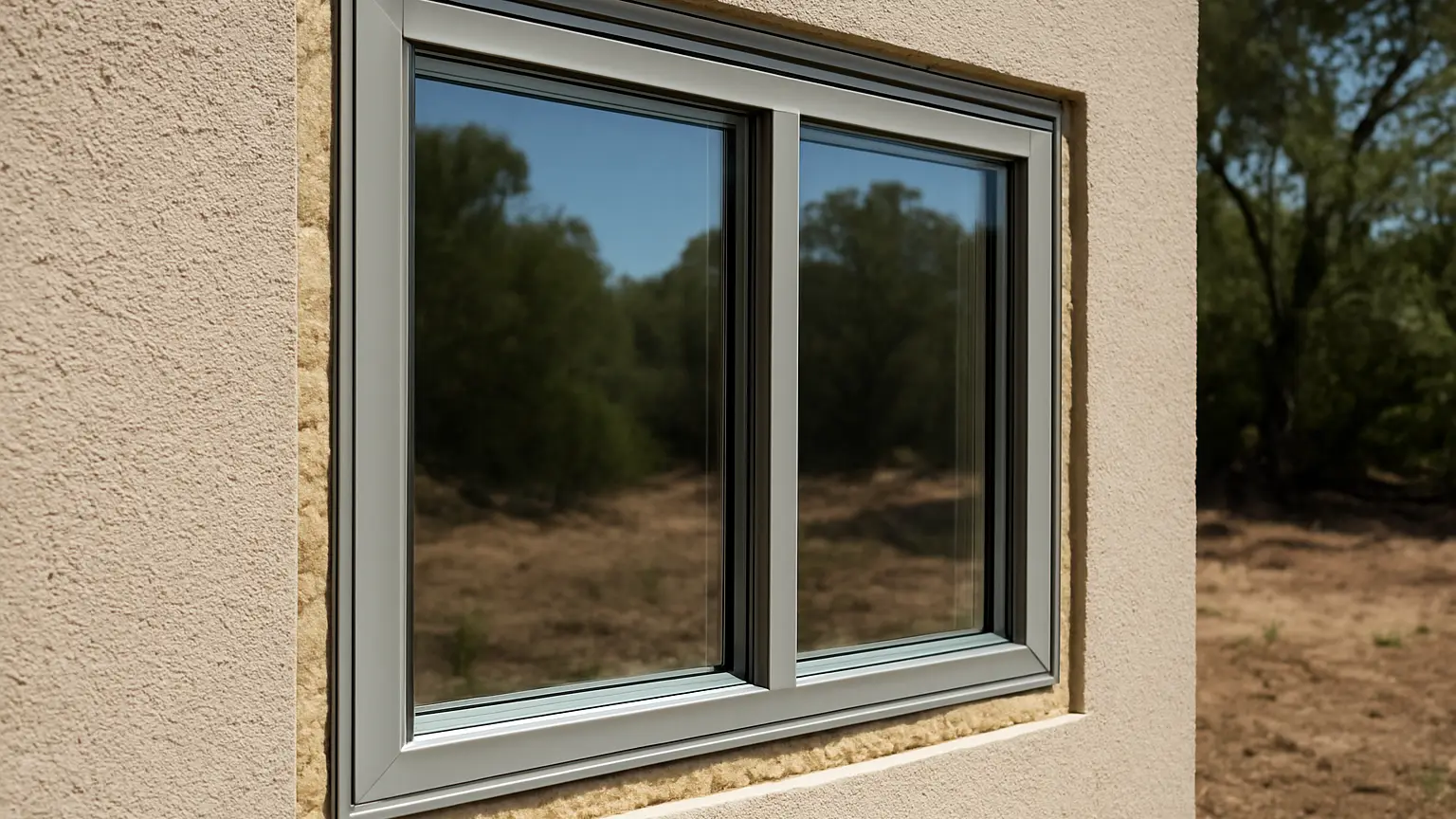
Most homes lost to wildfire are not hit by a wall of flame. They are lit by embers. These tiny glowing bits ride the wind a mile or more ahead of the fire. They land in gutters, on doormats, and against patio cushions. Then they wait.
Your windows sit right in the middle of that story. When a pane cracks from heat, the house has a hole in it. Embers blow in, curtains catch, and the fire is now inside. A good window does not crack. It holds.
That is why wildfire rated window replacement is one of the smartest upgrades a California homeowner can make. It also ties straight into how you use your outdoor space. Many families put real effort into shading their California patios with pergolas, fabric, and lounge sets that sit just a few feet from the glass. Those choices change what your windows will face on a bad day.
Quick Answer: What Counts as a Wildfire Rated Window?
In California fire zones, the building code for wildland areas sets the bar. A window usually passes if it meets one of these:
- Multi-pane glass with at least one pane of tempered glass
- Glass block units
- A 20-minute fire rating from testing
- A pass on the state fire marshal's window test for these zones
Most homeowners choose the first option. It is easy to find, looks like a normal window, and adds comfort and quiet too. Your local building department can tell you if your home sits in a mapped fire zone and which rules apply.
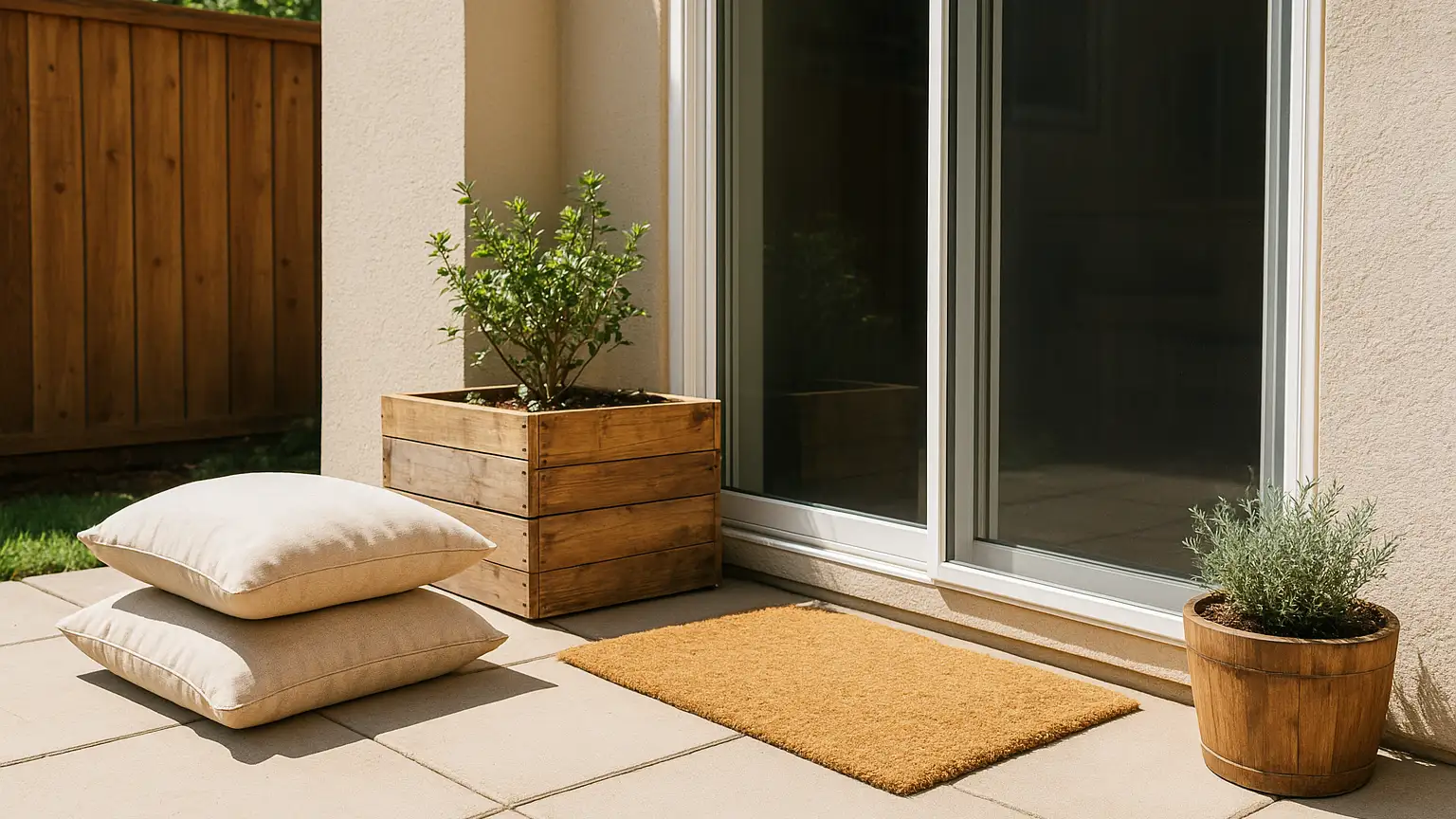
Picture a hot, dry afternoon with a strong east wind. A fire is burning in the hills two miles away. You cannot see flames from your yard. But embers are already falling.
One lands in a wood planter beside the patio. Another lodges in a dry doormat by the slider. A third drops on a seat cushion. Each one starts a small fire right next to your house. None of them is big. They do not need to be. A burning cushion three feet from a window throws intense heat at the glass.
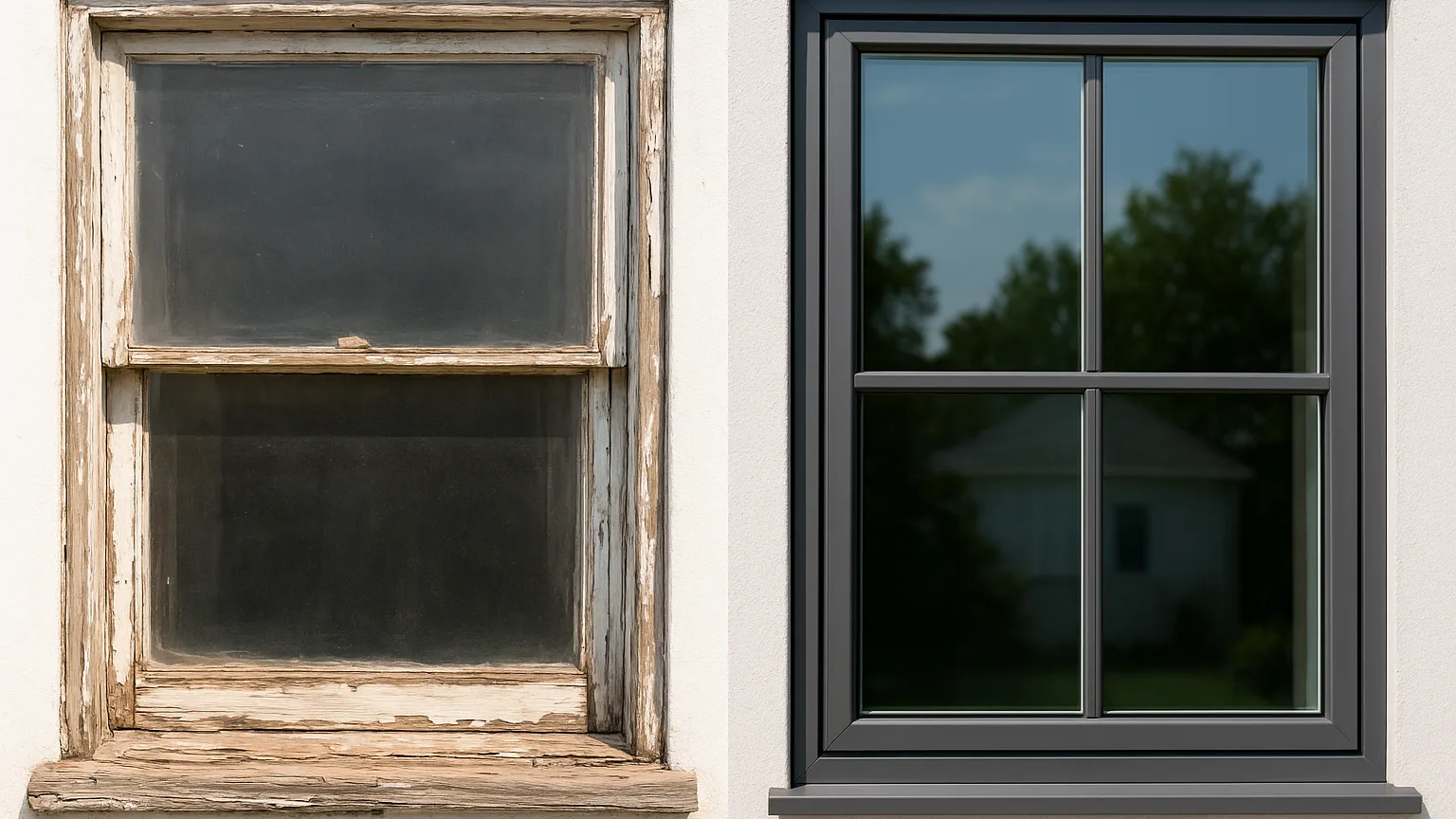
This is where old windows lose. Single-pane glass heats fast on the side facing the flames while the edges stay cooler. “That uneven heat builds stress, and the glass cracks,” says Mark Delgado, senior installation specialist at Affordable Windows. “Some older vinyl frames can also soften and sag, letting the glass slip out.” Once that happens, embers have a clear path inside.
These are the weak spots that show up most on older homes:
- Single-pane glass in aging aluminum frames
- Worn weatherstripping that leaves gaps for embers
- Plastic or fiberglass screens that melt in seconds
- Large picture windows and sliders that face the patio
- Small bathroom and laundry windows that get skipped
That last one surprises people. A tiny frosted window over a tub is still an opening. If a bathroom remodel is coming up, settle the key bathroom window questions before demolition so the new unit meets the same fire standard as the rest of the house.
Tempered Dual-Pane Glass Does the Heavy Lifting
Tempered glass is heat treated so it is about four times stronger than regular glass. It handles big swings in temperature much better. In a dual-pane unit, the outer tempered pane takes the heat while the air gap and inner pane add a second barrier. If the outer pane fails, the inner one is still standing guard.
Some homeowners choose tempered glass on both panes. It costs a bit more, but it is worth it on windows that face the patio, a brushy slope, or the direction fire usually comes from in your area.
Choosing an Ember-Resistant Frame
The frame holds the glass in place. If it warps, even great glass will not help. Here is how common frame types compare:
- Aluminum: Will not burn and stays rigid. Newer versions add thermal breaks for better energy use.
- Fiberglass: Strong, stable in heat, and holds its shape. A favorite in fire areas.
- Metal-clad wood: Warm wood inside, protected outside. Look for full cladding with no bare wood showing.
- Vinyl: Often allowed with tempered glass, but confirm the product line is approved for wildland zones.
Don't Forget Doors and Screens
Sliding patio doors are really just big windows, and they face the spot most likely to catch embers. They need the same tempered, multi-pane glass plus a tight seal. Drainage and paver height at the sill matter a lot, and getting the patio threshold detail right keeps a new slider sealing well for years.
Finally, swap plastic screens for metal mesh. Metal screens stop many embers before they touch the glass, and they will not melt away when the heat rises.
Defensible space is the buffer between your home and anything that can burn. The first five feet around the house matters most, and it is often called the ember-resistant zone. For many California homes, that five feet is the patio.
This is where window choices and outdoor living meet. You can install the best glass on the market, but if firewood is stacked under the kitchen window, that glass faces a much harder test than it should.
Treat the Patio Like Part of the Wall
Look at the area outside each window and ask one question: if this item caught fire, how close would the flames be to the glass? Then make a few simple swaps.
- Move firewood, propane tanks, and trash bins well away from the house
- Bring cushions, pillows, and umbrellas inside on red flag days
- Trade wood or plastic planters near windows for stone, concrete, or metal
- Use gravel or pavers instead of bark mulch in the first five feet
- Pick rubber or metal doormats at patio doors
- Keep shrubs low and trimmed away from window frames
Keep the Shade, Change the Materials
Shade is part of living well in California, and you do not have to give it up. Metal or fire-treated pergolas, retractable shades you can roll up, and outdoor fabrics with fire ratings all cut the fuel load near your glass. A shade that is rolled up and stored on a windy day is far safer than a fixed fabric sail flapping two feet from a window.
Indoors counts too. Heavy drapes behind a cracked pane can turn one ember into a room fire. Whether you install new fire-rated windows or restore original steel frames instead of replacing them, shutters or blinds made from less flammable materials pair nicely with the glass.
Why the Calendar Is Your Biggest Risk
Here is what most homeowners miss. The hard part is not picking the right windows. It is getting them installed in time.
Custom windows are built to order. Once smoke shows up on the evening news, phones at window companies start ringing. Lead times that ran a few weeks in winter can stretch to months by late summer. Permit offices and inspectors get busy at the same moment.
"We watch it happen every year," says Marcus Delgado, senior installation manager at Affordable Windows. "People call in July hoping for new glass by August. The folks who call in January get their pick of products, dates, and crews. Fire season does not wait for a factory schedule."
A simple timeline keeps you ahead of the rush:
- Late fall: Confirm your fire zone, get a home check, and collect quotes.
- Winter: Choose frames and glass, place the order, and file permits.
- Early spring: Install, pass inspection, and fix any gaps or seals.
- Late spring: Clear the five-foot zone around the patio and windows.
- Summer and fall: Be ready to move cushions and fuel fast on red flag days.
Fast Answers for Busy Homeowners
Are dual-pane windows enough in a fire zone?
Not on their own. At least one pane should be tempered to meet most California wildland rules. Ask for the glass spec in writing.
Do I have to replace every window at once?
No. Start with windows facing the patio, slopes, and brush. Then work around the house as your budget allows, folding in the bathroom during a remodel once you have settled the key bathroom window questions.
Will fire-rated windows save energy too?
In most cases, yes. Dual-pane glass with modern coatings keeps rooms cooler in summer and warmer in winter, so the upgrade pays you back all year.
Close the Gap Before the Wind Picks Up
Wildfire rarely knocks down the front door. It sneaks in through small things: a cracked pane, a melted screen, a cushion burning beside the slider. Tempered dual-pane glass, a frame that will not warp, metal screens, and a patio cleared of easy fuel work together to keep embers outside where they belong.
The best time to act is long before the sky turns orange. Order in winter, install in spring, and spend summer enjoying your patio instead of watching the forecast with a knot in your stomach. When the next red flag warning comes, your windows will already be ready for it.